


Gets the firsts and the responsibility. Often carries the job of setting the example.
For every middle child
Stuck in the middle? That’s where the view is best.
The middle child stands between the older and the younger and sees both sides at once. The Middle Line helps you understand what you see, how you process it, and why it makes you stronger.
Sons and daughters · single-parent and two-parent homes · no matter how many siblings come before or after you.

Understanding both sides
Three seats at one table
Every family hands each child a different seat. The oldest sees the family from the front, the youngest from the back. The middle child sees it from both — and learns to live on the line between them.

Watches the oldest get rules and the youngest get room — and notices the difference. Learns to translate, keep the peace, and handle things alone.
Gets more freedom and more protection. Often wants to be taken seriously.
Every family looks different
Sons, daughters, big families and small
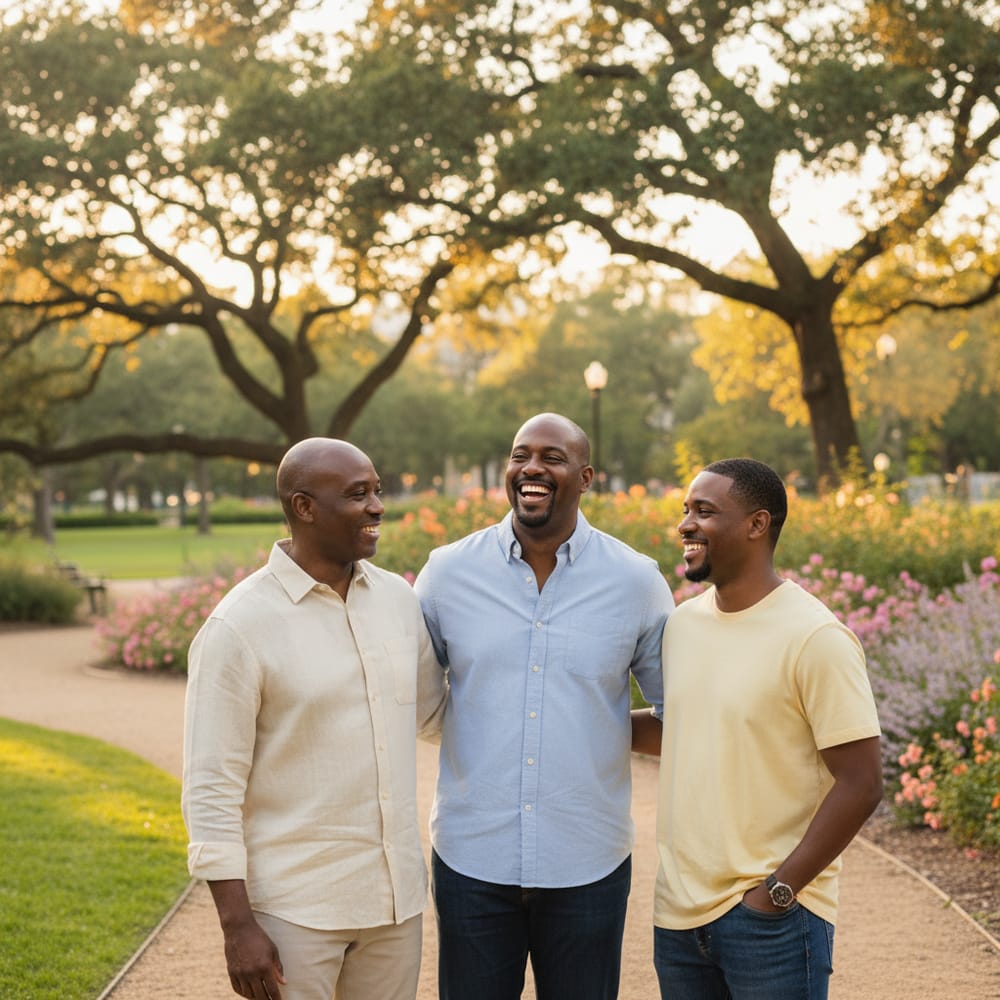
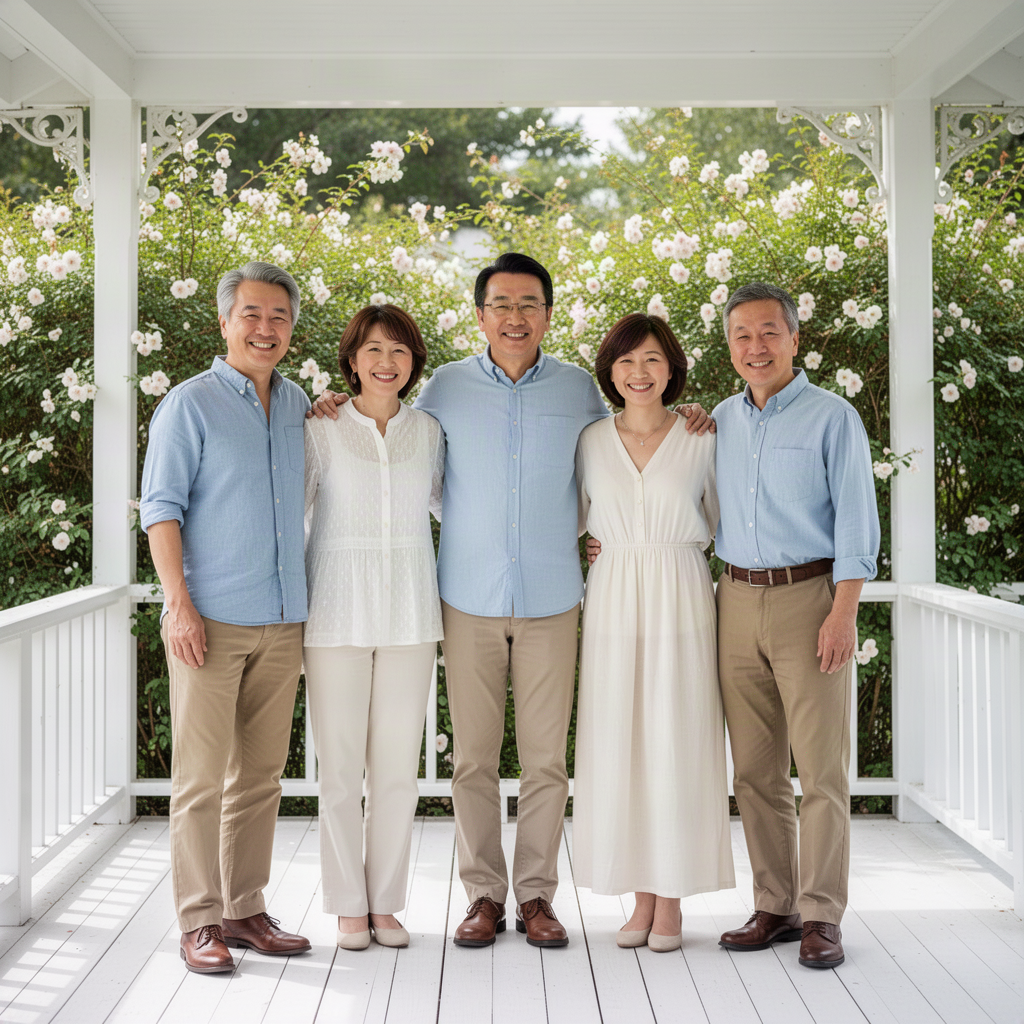
Two sisters and a brother. Two brothers and a sister. Three brothers. Three sisters. Five or six siblings with several middles. One parent or two. Wherever you sit in the middle, The Middle Line is for you.



What The Middle Line offers
Everything in one place
Knowledge library
Short, plain-language reads on every part of middle-child life.
OpenBooks & guides
Books and guides by topic, plus trusted reads on siblings and birth order.
OpenVideos
Don breaks down the older side, the younger side, and the middle line.
OpenMeditation
A one-minute reset for when you feel pulled in two directions.
OpenSupplements
Everyday support for calm, rest and focus from Natural Extract.
OpenCommunity
Join middle children who finally feel understood.
OpenResearch first, real life where research is quiet
What the studies say
Don pairs published research with lived experience. Where science hasn't caught up, he brings real stories from the middle line.
Birth order is not destiny
Large studies of tens of thousands of people found birth order has little to no effect on core personality traits. How each child is treated matters more than the seat itself.
Rohrer, Egloff & Schmukle — PNAS, 2015Middle children lean on friends
Evolutionary psychologist Catherine Salmon's research found middle children tend to invest more in friendships and are often skilled at negotiation and cooperation.
Salmon & Schumann — The Secret Power of Middle Children, 2011Feeling treated fairly matters
Studies on siblings consistently link a child's sense of fair treatment inside the family to how they feel about themselves and their siblings.
Research on differential parental treatment of siblingsFrom the blog
Latest from Don
Big familiesMiddle of five, middle of six: why big-family middles go through a different process
In a family of three, there is one middle child. In a family of five or six, there are several — and each one is working out a different spot on the line.
Read the post →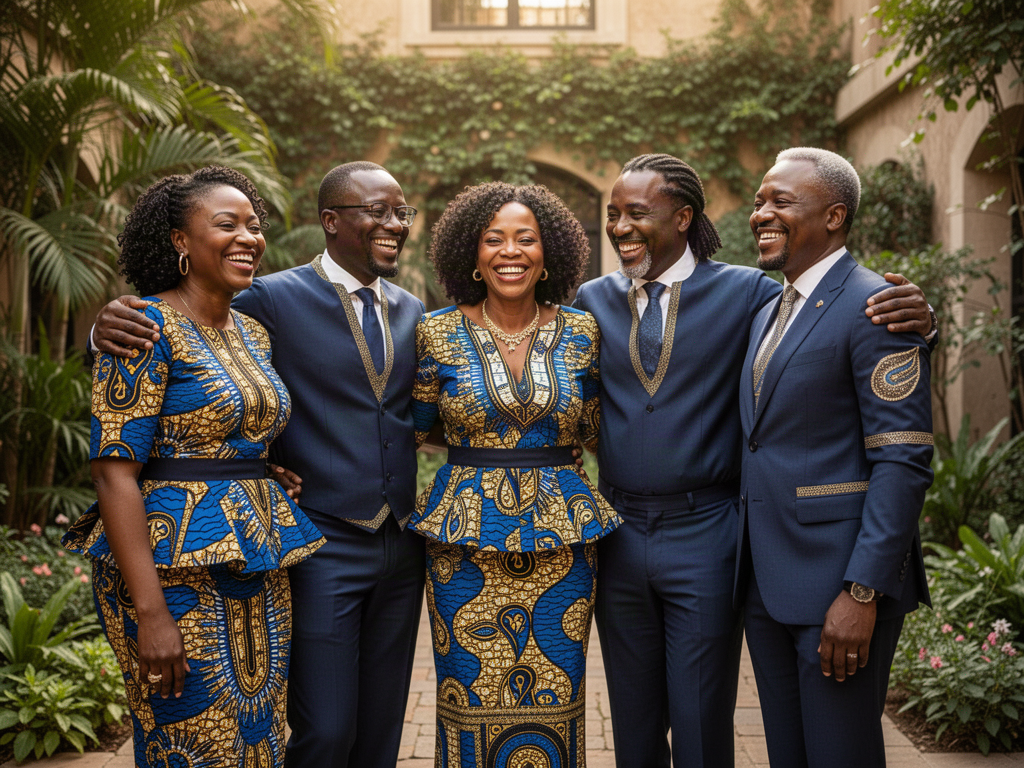 Big families
The exact center: what it's like to be the middle of five
Two siblings above you, two below. The third of five lives at the true center of the family — and learns things nobody else in the house learns.
Read the post →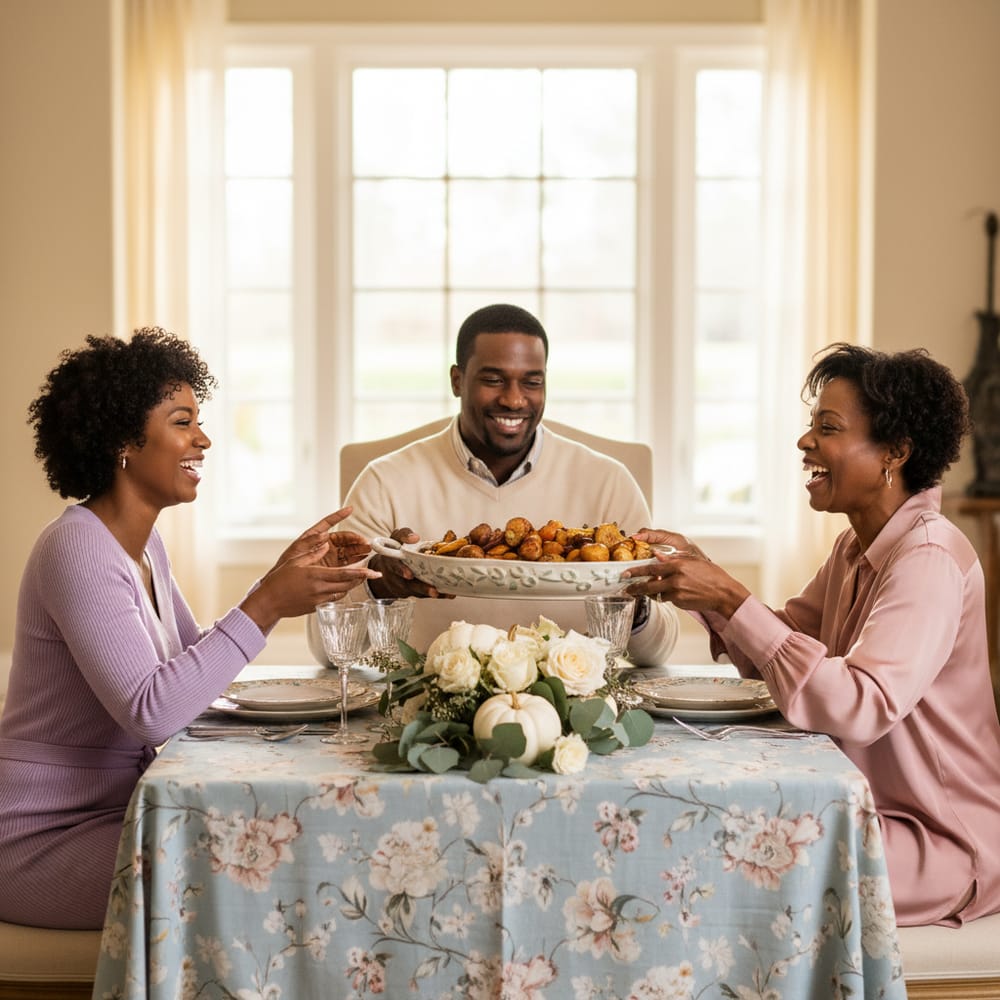 Holidays
Thanksgiving from the middle seat: how to enjoy the table this year
Every holiday table puts the old roles back in place. Here is how a middle child can show up, keep their peace, and actually enjoy the meal.
Read the post →Fresh from the library
Start reading
Parents
See all topicsFive things your middle child may not say out loud
Quiet doesn't always mean fine. Here is what a middle child is often thinking but not saying.
4 min readMiddle childrenUnlearning “I'll just handle it myself”
Independence got you through childhood. As an adult, it can quietly wear you out.
3 min readHolidaysHolidays from the middle seat
Family gatherings put the old roles right back on the table. Here is how to enjoy them anyway.
4 min readGet Don’s new topics in your inbox
One email when there’s something worth reading: new articles, videos, book and guide releases, and community events.
National Middle Child’s Day is August 12. Mark it for the middle child in your life.
Take the quiz